Dinner under lodgepole pines, friends clustered around a gas fire table, the Front Range silhouetted against a cobalt sky. Outdoor entertaining in Denver rewards those who plan for twilight and keep guests comfortable when the temperature drops. Good lighting is the linking thread. It guides people to the patio, puts faces in soft focus around the table, and lets the garden hold its shape long after the sun slips behind the foothills.
This is not a matter of screwing in brighter bulbs. Denver sits a mile high, which changes how light behaves. The air is dry, UV exposure is high, and freeze‑thaw cycles are hard on finishes, gaskets, and wiring. When I design denver outdoor lighting for entertaining, I think in layers, not fixtures. The goal is a quiet, supportive background that makes people feel secure and relaxed, never spotlighted. The right plan also respects neighbors and night sky, an expectation in many parts of the metro area.
What “after dark” demands in Denver
Twilight at altitude lingers, then flips quickly. Your denver exterior lighting needs to come alive ahead of full darkness, and it should adapt as the evening cools. A backyard in Park Hill or Wash Park often has mature canopy trees and long, narrow side yards. In Stapleton and Green Valley Ranch you see newer builds with cleaner lines, raised decks, and small lawns. Lakewood and Golden bring bluff winds and more wildlife traffic. Those contexts matter.
I lean on a few principles for outdoor lighting in Denver that translate across neighborhoods:
- You want more contrast than you think. Uniform brightness flattens space and kills atmosphere. Pools of warm light with gentle falloff read as intimate. Put the brightest light at points of decision. Steps, grade changes, the edge of a deck, and the primary latch on a gate need clear cues. Keep color temperature warm. Most residential entertaining reads best at 2700 K to 3000 K. Slightly warmer near the fire, neutral‑warm for pathway and patio zones. Denver’s clear, dry air makes 4000 K look harsh outdoors. Shield the source. Human eyes adapt fast at night. Keep luminaires out of sightlines using glare shields, louvers, and correct mounting height. This also protects Denver’s night sky.
Zones that carry the evening
When I say “layers,” I mean zones that can stand alone or mix as plans evolve. Think in scenes: arrival, gathering, dining, and after‑dinner drift.
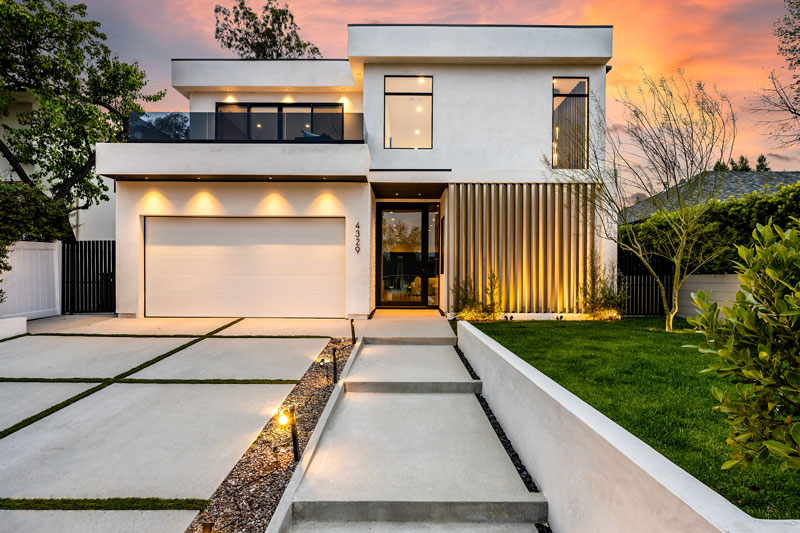
Arrival starts at the curb. Landscape lighting denver experts do not over‑light the facade. A simple, low‑glare wash from 12 to 18 inches off the wall gives texture to brick or stucco without creating a beacon. I often set a 3 to 1 brightness ratio between facade accents and path lights, which lets your walkway read as safe without pulling the eye from the front door. Denvers outdoor illumination at the porch should avoid downlight silhouettes that blind guests. A warm, fully shielded sconce paired with a soft step light is enough.
Gathering areas want pockets of light at about 5 to 15 foot‑candles on table surfaces and seat cushions. Bistro strings, if used, need to be at least IP65 rated since snow load and spring storms shred cheap cables. Mount them with catenary kits, not screws into fascia alone, because Denver gusts can be ugly. I keep strings dimmed to 30 to 50 percent. The hero light is often a downlight tucked into a pergola beam with a 30 degree beam spread, angled just off vertical, so faces read well. If the house windows reflect into this area, drop levels another click to avoid glare.
Dining zones want color quality. High CRI LEDs, 90 plus, preserve skin tones and food. A 15 by 7 foot table under a pergola reads well with two 6 watt integrated LED downlights, 2700 K, each delivering 350 to 500 lumens at the surface after distance and beam spread losses. Keep spill off neighboring yards. I prefer fixtures with precise optics from reputable denver lighting solutions vendors, rather than retrofitting cans that were never designed for exterior use.
After‑dinner drift is where denver garden lighting shines. Moonlighting from 20 to 30 feet up in a mature honeylocust creates dappled movement that feels natural in light wind. In smaller yards, a grazed fence section or a softly lit specimen shrub at the far edge holds the perimeter and makes the yard feel bigger. Resist the urge to uplight every tree. Pick one or two, then feather edges with low output spread lights aimed at groundcover. Denver yard lighting benefits from restraint.
Pathways, steps, and the art of not tripping
Denver pathway lighting only needs to kiss the edges. Staggered low‑output path lights on alternating sides create a rhythm and keep glare away from walkers. A typical 3 foot spacing is way too tight for most fixtures. At 100 to 150 lumens per head with a wide spread, 6 to 8 feet works well, sometimes 10 if your plants are low. Mount bollards away from mower lines and snow shovel routes. For steps, choose integrated tread lights or slim shrouded lights set into risers, 30 to 36 inches apart on wider runs.
Transitions are where people get hurt. Grade changes at the side yard, the last step off a deck, or the edge of a stone terrace are primary targets. Keep ratios gentle, maybe 2 times brighter at the step than adjacent lawn, not 5 times. That control helps eyes adapt.
Power, voltage, and reliability at a mile high
Most residential outdoor lighting systems in Denver are 12 volt low‑voltage. They are safer to service, more flexible to expand, and simpler to dim. Quality denver outdoor lighting systems denver use a multi‑tap transformer that lets you compensate for voltage drop over longer runs. A 300 or 600 VA stainless transformer with integrated timer and surge protection covers many homes.
Voltage drop matters more than most people think. On a 100 foot run of 12 gauge wire with a 60 watt load, you can lose 1 to 2 volts, which means dimmer fixtures at the far end. To maintain consistent brightness, I use a hub and spoke or ring topology, not long daisy chains. Heavier gauge wire on longer trunks, 10 gauge if runs exceed 150 feet, avoids headaches. When mixing denver outdoor fixtures from multiple manufacturers, check their minimum operating voltage. Some integrated LEDs will wink or color shift if underfed.
Line voltage has its place. Driveway bollards that need higher output, or long throws for tall evergreens, sometimes warrant 120 volt posts or 277 volt specialty gear. That requires permits, conduit, and a licensed electrician familiar with lighting installations denver and NEC burial depths. In the city and county of Denver, low‑voltage cable must typically be 6 inches below grade, and line voltage in conduit at 18 inches. GFCI protection and in‑use covers on outlets are required. TAMs, or tamper resistant receptacles, are standard.
Moisture and freeze cycles test every seal. Look for IP65 or better on fixtures oriented up or horizontal. For in‑ground well lights, a drain rock sump below the can keeps meltwater from sitting and freezing around the body. Die‑cast aluminum pits quickly under Denver’s UV and winter road salts. I specify marine‑grade aluminum, brass, or copper for denver landscape lighting where budget allows. Powder coat should be TGIC polyester rated for UV. Stainless screws make spring maintenance bearable.
Controls and scenes that match how people entertain
A lot of outdoor lighting in Denver fails because it is either all on or forgotten. Good controls make the system feel invisible. A simple astronomical timer for sunrise and sunset works if you like set and forget. For entertaining, add a dimmable transformer or compatible dimmer for low voltage, plus a smart switch that creates scenes.
I usually create three scenes: daily, company, and late. Daily covers path and safety from dusk to 10 pm. Company brings up dining and gathering zones, maybe bumps the facade down a notch. Late softens to select markers and a few garden accents to keep depth without drawing insects or neighbor complaints.
Wi‑Fi controls in brick homes can struggle. If your transformer sits on the far side of the yard, plan for a mesh or a hardwired control bridge. Denver winters kill batteries faster in gate sensors and wireless buttons. Tuck controls somewhere accessible from inside without crossing snow and ice, or mirror control from an interior keypad.
Dark‑sky and neighbor‑friendly decisions
Colorado outdoor lighting conversations now include light pollution and wildlife. Denver has not adopted a strict citywide dark‑sky ordinance for single family homes, but many HOAs reference International Dark‑Sky Association guidance. The spirit is simple: shield light, aim it where needed, and use the lowest output that works. It is also common sense if you like to see stars.
For uplighting, pick narrow beams and cut output. I often run 1 to 3 watt integrated LED uplights on smaller trees. Where trees read better with more punch, I use long cowls or hex baffles to cut spill. For eaves or soffit downlights, choose fixtures with 0 percent uplight and a firm cutoff at the property line. If you back to a greenbelt, be more conservative. Coyotes and owls work the edges of many Denver neighborhoods, and constant bright wash breaks patterns.
Color temperature affects insect activity. Warmer light lures fewer bugs. Keeping denver outdoor lights at 2700 K helps your guests and the local moths both.
A realistic budgeting lens
Most homeowners underestimate cost because the fixtures they see at big box stores are not made to survive Denver’s climate. A basic, reliable system for a small yard, 12 to 16 fixtures, transformer, cable, and professional outdoor lighting installations denver can land between 3,500 and 6,500 dollars. Mid‑range projects with 25 to 40 fixtures, scene control, and a mix of path, accent, and downlights run 8,000 to 15,000. Complex projects with hardscape integration, step lights, core drilling, and line voltage bollards can push beyond 20,000.
Phasing is smart. Start with safety and hospitality zones near the house. Then expand to garden accents and secondary paths. Plan wire trunks and transformer capacity up front so additions later are plug‑in simple.
A walk‑through from a recent project
A family in Sloan’s Lake wanted to host more dinners without hauling portable lamps and citronella every time. The yard had a west‑facing deck that baked at 5 pm and felt black by 8:30. We set three goals: calmer arrival from the detached garage, better dining light, and a softer backyard perimeter to hold the view.
For arrival, we added a low‑glare wall light inside the garage man door, two small shrouded step lights at the deck stairs, and four path lights along the flagstone run, set wide at 8 to 10 feet to avoid lawn mowers. At the deck, two integrated downlights, 2700 K, were recessed into the pergola beams above the table. I oriented them 10 degrees off vertical so you never see the source seated. Over on the lawn edge, a pair of narrow uplights grazed the multi‑stem serviceberry and the textured fence panel. We tucked a 300 VA multi‑tap transformer behind the grill station, ran a ring main with 10 gauge, and hubs in 12 gauge to groups. Total draw, 110 watts, leaving plenty of headroom.
Controls were simple. An astronomical timer for dusk on, midnight off for safety zones, plus a smart dimmer scene called Company that raised dining to 60 percent and dropped the facade to 30 percent to kill window reflections. The family reported an immediate change in how often they used the space. The father joked that the kids started doing homework at the outdoor table because the light felt like a cozy cafe, not a floodlit patio.
Materials and finishes that survive Denver weather
Denver infrastructure throws salt and sand all winter. That grime finds its way into yards. Powder coated aluminum is fine on a budget, but look for fixtures with thicker walls and clean, tight seams. Brass and copper weather well, and patina hides spring scuffs. Integrated LEDs now beat replaceable MR16 lamps for many uses, offering sealed optics and better thermal management. But ask about serviceability. Quality brands stock light engines and gaskets, so a ten year fixture does not become an orphan.
Mounting matters. For path lights, skip short plastic stakes. Use brass or composite spikes set into pea gravel beds, not hard clay, to allow seasonal give. For hardscape lights under capstones, leave an expansion gap and a removable faceplate. Snowmelt systems under pavers change temperatures fast. A floating mount prevents trapped heat from cooking LEDs.
Cable routing is less glamorous, but critical in outdoor lighting solutions denver. Where dogs or kids run, bury deeper and sleeve across high traffic spots. Under decks, strap cable up out of reach and avoid contact with metal edges. In new plant beds, leave slack loops, not tight pulls, for future adjustments.
Safety and code touchpoints worth respecting
GFCI on all outdoor circuits is non‑negotiable. If your old outlet trips constantly, do not hotwire around it. Fix the moisture ingress, upgrade the in‑use cover, and make sure the line comes from a grounded, modern breaker. For transformer placement, keep at least a foot of clearance around for cooling and avoid snow dump zones off roofs.
Hardscape lighting near pools and spas draws extra scrutiny. Maintain required clearances, even for low‑voltage, and use listed, wet‑location equipment. For metal railings with integrated lights, bond and ground per code. If you do line voltage bollards along a driveway, pull permits. Inspectors in the Denver area are fair, and they catch the things that keep you safe.
Common mistakes I see in Denver yards
Too many uplights on the front facade, all at the same angle, make a nice house look like a stage set. Pull half of them, tighten beams, and favor texture over brightness. Another common error is blasting the pergola with a single bright flood. It flattens faces and produces harsh shadows under hats and brows. Two or three smaller, warmer sources placed carefully always beat one big hammer.
Cheaper fixtures with thin powder coat blister by year two. I also see transformers undersized so additions dim the original run. If you intend to add holiday lights or seasonal accents, size the transformer at 50 percent growth from your initial plan.
Finally, glare. If you can see the lamp, you overdid it. Add a shield, lower the output, or move the fixture. Your guests will thank you.
How to approach a design that works the first time
This is the process I use when planning outdoor lighting denver projects, whether for a small backyard in RiNo or a sloped lot in Highlands Ranch.
Walk the yard at dusk and again in full dark. Note hazards, anchor features, and how neighboring lights spill. Decide where you want eyes to rest and where you want paths to read. Sketch zones and scenes. Arrival, gathering, dining, late. Assign approximate light levels and color temperatures to each. Decide which zones should dim, which are fixed. Choose fixtures by optic first, finish second. Match beam spread to task. Pick warm color and high CRI near people, tighter beams for accents, wide spreads for paths. Confirm IP ratings and materials for Denver freeze‑thaw. Engineer the backbone. Pick transformer size with 50 percent headroom. Lay out cable runs to minimize voltage drop. Use hubs or a ring, not long daisy chains. Plan controls and any Wi‑Fi bridges where signal is reliable.If you prefer to hire, look for outdoor lighting services denver firms that talk in these terms. They should ask how you use the space, not just where you want lights. Ask to see a nighttime demo. The best pros can set up a temporary mockup so you react to light, not catalog photos.
Maintenance that keeps it beautiful in year five, not just year one
Denver’s combination of dust, pollen, and snow erodes performance. A once‑a‑season touch keeps denver lighting looking crisp.
- Spring: clear mulch from fixtures, rinse lenses, re‑aim after snow crush, inspect wire where dogs or shovels may have nicked it. Early summer: trim plant growth blocking fixtures, check timer programming for long days, wipe spider webs that catch windblown fluff. Fall: lower levels slightly as nights arrive earlier, cut back perennials so path light spreads are not blocked, check seals before freeze. Winter: avoid burying fixtures under shoveled snow piles, knock ice from bistro wires after storms, confirm GFCI outlets have not tripped. Anytime: replace any waterlogged or yellowed lenses. Clouded optics kill beam quality long before LEDs fail.
A reputable provider of outdoor lighting solutions denver will include a maintenance option. It is worth it, especially if you entertain often. If you DIY, keep a small kit: spare stakes, gaskets, a low‑voltage tester, stainless screws, and isopropyl wipes for lenses.
Matching fixture types to Denver’s materials palette
Older Denver neighborhoods love clay brick, red sandstone, and cedar. Warm white light brings out their richness. Graze brick from 12 inches away with a narrow optic to pop texture without hot spots. On stucco, stand back 18 to 24 inches and widen the beam, or you will see every trowel mark.
Composite decks on modern homes reflect light differently than cedar. Aim downlights tighter so you outdoor lighting installer Braga Outdoor Lighting do not blow out the deck surface in photos or for guests. For corten steel planters that glow in late sun, resist the urge to uplight. A soft, low spread light at the base creates a gentle halo that carries the rust tone after dark.
If you work with xeriscapes, which are increasingly common in outdoor lighting colorado because of water restrictions, highlight form over flower. Illuminate the curve of a steel edging, the shadow of a boulder on crushed granite, or the sculpture of a yucca. Cool white flattens these textures. A 2700 K spot with a shield is your friend.
A note on sustainability and energy
A well designed system is not wasteful. Modern integrated LED fixtures sip power. A 30 fixture system built thoughtfully might draw 150 to 250 watts when set to entertaining scenes, less than two old halogen floods used to burn alone. Add a dimmed late scene and motion‑based arrival on secondary gates, and your monthly energy impact is low. Smart controls shave runtime. The biggest gains often come from removing or dimming the one or two overbright fixtures that have been compensating for a lack of layers.
Recyclability matters too. Pick brands that publish component service paths and keep parts in stock. Denver lighting companies that can swap a driver or gasket instead of the whole head keep metal out of the landfill.
Where professional help pays off
You can do a lot with a good plan, patient trenching, and careful aiming. But if your property has steep slopes, extensive hardscape, or you want integrated step or wall lights, a pro saves you weeks and avoids patchy results. Search for outdoor lighting in Denver providers who show completed projects in similar neighborhoods. Read how they approach glare control, cable management, and dark‑sky principles. The right team will gladly coordinate with your landscaper and electrician.
Ask about warranty in this climate. Five years on fixtures and transformers is common, with one year on workmanship. Make sure service calls are part of the conversation. A firm that disappears after install leaves you to troubleshoot winter trips and summer dimming alone.
Bringing it all together
Denver’s outdoor spaces can feel magical at night without turning your yard into a runway. Start with how you entertain. Shape arrival with gentle cues. Give faces warm, flattering light at the table. Hold the far edge with a few quiet gestures. Engineer the power and controls so the system fades into the background. Use materials and fixtures that respect the city’s altitude, winters, and dry air. When that mix is right, you get more than visibility. You get evenings that last, conversations that linger, and a yard that works as well after sunset as it does in bright mountain light.
From denver pathway lighting to soft garden accents and durable denver outdoor fixtures, a thoughtful plan rewards you every time you open the back door. If you have a vision for how your next gathering should feel, the right denver lighting solutions can make it real.
Braga Outdoor Lighting
18172 E Arizona Ave UNIT B, Aurora, CO 80017
1.888.638.8937
https://bragaoutdoorlighting.com/